What Quitting Is Actually Worth in Money
The real yearly cost of smoking and vaping, why the daily price hides it, and what happens when you redirect that money somewhere it comes back to you.
Quick answer
Multiply what you actually buy by 365, or your weekly vaping spend by 52 — most people have never done that arithmetic once. Then add the costs without receipts: higher insurance premiums, convenience purchases, replacement coils and devices, extra dental work, and around 300 hours a year of break time at ten cigarettes daily.
Nobody buys a year of smoking. You buy a pack, or a pod, or a bottle of liquid, and each purchase is small enough to be invisible. That’s the trick of it: the price is deliberately shaped so you never see the total.
So let’s see the total. Not to make you feel bad about it — you already know roughly what it costs — but because the number has a use. It’s the one part of quitting that pays you back immediately, in a currency you can spend.
Do the arithmetic once, properly
Take whatever you buy and how often you buy it. Then run it out.
A pack a day is seven a week, thirty a month, three hundred and sixty-five a year. If you smoke a pack a day, your annual tobacco bill is the price of a pack, times three hundred and sixty-five. Say that out loud with your local price in it. Most people have never actually multiplied it.
Half a pack a day is still a hundred and eighty-two packs a year. Half a habit is not half a problem, financially — it’s six months of full-price smoking.
Vaping hides even better, because a disposable or a pod lasts an indeterminate number of days and you buy them in a shop where you also buy other things. Do it by the week instead: what did you spend on vaping in the last seven days? Multiply by fifty-two. That’s your number, and the reason it’s higher than you expected is that you were mentally counting the good weeks.
Now widen it. Multiply the annual figure by five, and by ten. Ten years of a pack a day is, in most countries, a used car — or a very substantial part of a deposit on somewhere to live. That’s not rhetoric, it’s just multiplication that nobody does.
The costs that don’t come with a receipt
The purchase price is only the visible layer.
Insurance. In many countries, life and health insurers charge smokers materially more — often a premium that is a multiple of a non-smoker’s, over decades of payments.
The convenience tax. The pack you bought at the airport, at the petrol station at midnight, at the corner shop that charges more because it’s open. Nobody buys tobacco optimally. You buy it when you need it, which is exactly when it costs the most.
The attached spending. The coffee bought as an excuse to go outside. The lighter you replace weekly. For vaping: the device, the coils, the chargers, the replacements after the one you left on a train.
Lost time. Ten cigarettes a day at five minutes each is fifty minutes daily — around three hundred hours a year. Call it seven working weeks. You don’t get billed for that, but you did pay it.
Sick days and dental work. Smokers take more sick days on average, and dentists have a longer list for smokers. Both arrive as ordinary-looking bills you never file under “smoking.”
What redirecting it actually becomes
Here’s the part that makes the number worth calculating: the money doesn’t just stop leaving. It starts arriving somewhere.
A pack-a-day habit, redirected for one year, in most countries, is: a proper holiday abroad. Or a fully replaced laptop and phone. Or several months of rent in a lot of places. Or a year of a gym you’d never justify otherwise.
Redirected for three years, it starts being the kind of money that changes something structural — a course, a car, the buffer that means an unexpected bill is annoying instead of frightening.
Redirected and invested, the arithmetic gets steeper, because you’re no longer just adding. Money paid in monthly over ten or twenty years compounds. Historically, broad market returns have turned a modest, boring, monthly contribution into a genuinely serious number over two decades. Nobody can promise you a rate of return — but the comparison is worth sitting with: over ten years, one of those two choices produces a pile of ash and one produces a balance.
That reframing is the useful one. Quitting isn’t only “not spending.” It’s the difference between the worst possible use of that money and one of the best.
Make the saving visible, or it won’t feel real
There’s a catch, and it’s the reason most people never experience the financial upside of quitting: money you don’t spend doesn’t feel like money you have. It just quietly disappears into the general fund and gets absorbed by groceries. Six months in you’re better off by a substantial sum and you can’t point at a single thing that proves it.
Fix that by making it physical.
- Move it on the same schedule you used to spend it. If you bought a pack a day, transfer the price of a pack every day, or the price of seven every Sunday. Same rhythm, different destination.
- Give the account a name. Not “savings.” Name it the thing: the trip, the deposit, the guitar. Money with a name is much harder to spend on nothing.
- Attach it to a real object early. Buy something concrete in the first month, at week four, out of the first month’s money. Not a huge thing — a good pair of shoes, a decent meal out. You need one physical proof that the money exists before the novelty wears off.
- Check the running total on the bad days. The number is at its most useful in month two, when the health benefits have gone quiet and the novelty has gone, and you need something that has visibly moved.
When you cut down instead of stopping
If you’re tapering rather than quitting outright, the money moves earlier than almost anything else. Every 10% you cut is 10% of the annual bill back in your hands, this week, with no waiting period. Health improvements are real but mostly invisible for a while. Savings are visible on day one.
That makes money the best early scoreboard in the first month — not because it’s the most important reason to stop, but because it’s the fastest one to show up.
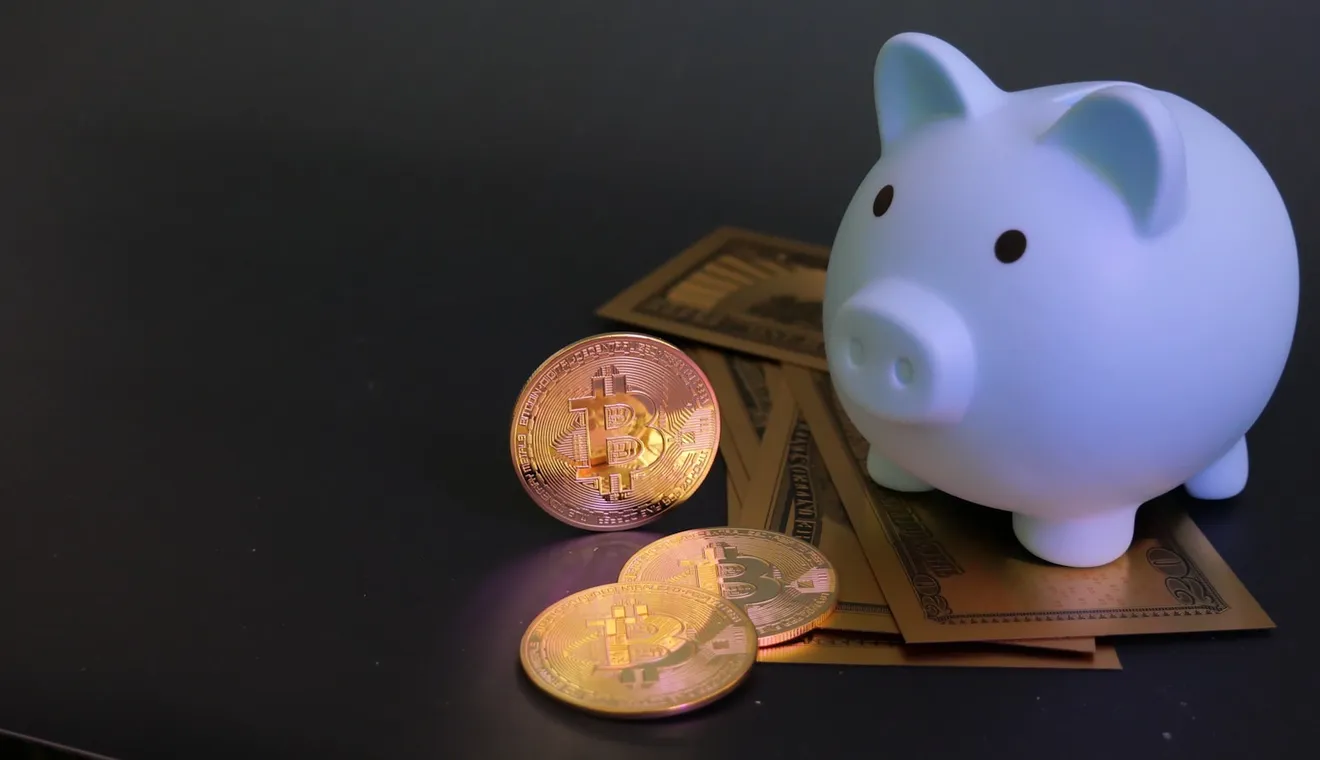
Puff Counter runs this total for you from your real spending, day by day, and shows what the same amount would have been worth in Bitcoin or NVIDIA stock if you’d put it there instead — which is either motivating or infuriating, and both work.
Do the multiplication tonight. Whatever it comes to, that money is already yours. You’ve just been paying it to someone else.
Frequently asked questions
How much money will I save if I quit smoking?
Take the price of what you buy and multiply it out. A pack a day is 365 packs a year; half a pack a day is still 182. For vaping, use last week's total spend multiplied by 52. Then run it out over five and ten years — the total is almost always much larger than people expect.
What are the hidden costs of smoking beyond the packet price?
Life and health insurance often costs materially more for smokers, over decades of premiums. Then there is the convenience tax of buying at petrol stations and airports, attached spending on lighters, coils and replacement devices, more dental work and sick days, and roughly 300 hours a year of break time at ten cigarettes a day.
How do I make the money I save from quitting feel real?
Money you do not spend does not feel like money you have; it gets quietly absorbed into groceries. Transfer it on the same schedule you used to spend it, name the account after the specific thing you are saving for, and buy one physical object out of the first month's savings as proof it exists.
Do I save money if I only cut down rather than quit completely?
Yes, immediately and proportionally. Every 10% you cut is 10% of the annual bill back in your hands that same week, with no waiting period. Health improvements are real but largely invisible for weeks, which makes money the fastest and most useful scoreboard in the first month.