What to Eat When You're Craving Nicotine
Cold, crunchy and slow foods that get you through the three to five minutes of a nicotine craving — plus the two things that reliably make cravings worse.
Quick answer
A nicotine craving peaks and fades in about three to five minutes (CDC), so the most useful foods are the ones that occupy your mouth and hands for that long: ice water, carrot or celery sticks, apple slices, sunflower seeds, sugar-free gum, plain popcorn. Alcohol and the old coffee pairing make cravings worse.
When a craving hits, the fastest thing you can put between yourself and a puff is something in your mouth. Not because food is a nicotine substitute — it isn’t — but because a craving lasts about three to five minutes (CDC), and a glass of ice water, a handful of sunflower seeds or a carrot takes about that long to get through.
So the question isn’t really “what should I eat.” It’s “what can I do with my mouth and hands for five minutes that I’ll actually have within reach.”
What to reach for in the first five minutes
If you want one answer and no reading, it’s this: a full glass of cold water, drunk slowly, plus something crunchy. Water is free, always available, and the act of drinking a whole glass down deliberately takes ninety seconds you would otherwise have spent negotiating with yourself.
After that, in rough order of how well they work:
- Ice. Chewing or sucking ice is cold, loud, slow and has zero calories. It occupies more attention than almost anything else on this list.
- Crunchy raw vegetables. Carrot batons, celery, cucumber, peppers, radishes. The chewing is the point.
- Fruit you have to work at. Apple slices, orange segments, frozen grapes, frozen berries.
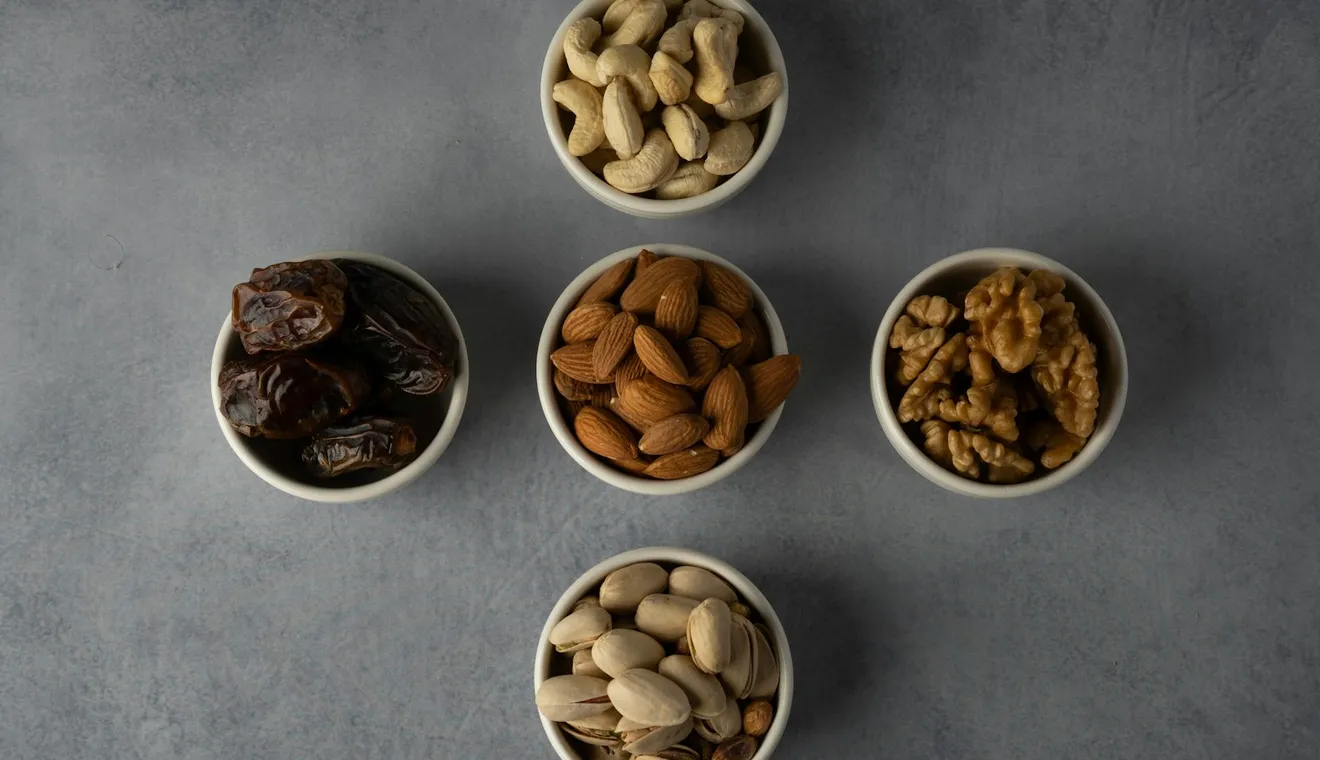
- Seeds and nuts in the shell. Sunflower seeds especially — shelling them is a hand ritual with a rhythm, which is exactly what your hands are missing.
- Sugar-free gum or strong mints. Portable, socially invisible, and the mint taste covers the flat feeling in your mouth that a lot of people notice in the first fortnight.
- Plain popcorn. Slow, low-calorie, and it lasts as long as the bowl does.
- A hot drink that isn’t your old pairing. Herbal tea, a decent broth. Something you have to sip rather than gulp.
Why food works on a craving that has nothing to do with food
There are three separate things going on, and knowing which one you’re dealing with makes the fix more obvious.
The oral part. Smoking and vaping are hand-to-mouth rituals repeated hundreds of times a day. When that stops, your mouth and hands are suddenly unemployed. This is why gum, seeds and ice work far better than their calorie count suggests — they’re doing the job of the ritual, not the drug.
The time part. The craving is a wave. It builds, peaks and drops on its own within a few minutes, and the only thing that extends it past its natural life is arguing with it. Eating something slow is a way of being busy while it passes without needing any willpower to be involved.
The blood sugar part. Nicotine affects appetite and how your body handles glucose, and going long stretches without eating makes the shaky, irritable version of withdrawal noticeably worse. A lot of what people call a “craving” at 4pm on day three is partly just being hungry on top of withdrawal.
That last one gives you a preventive move rather than a reactive one: eat regularly in the first two weeks. Three meals with something in between beats heroic fasting followed by a crash, every time.
What makes cravings worse
Two things do most of the damage, and both are worth taking seriously.
Alcohol. It’s the single riskiest thing on this list. Drinking lowers the restraint you’re leaning on, and for a lot of people the drink and the cigarette are the same memory. Early relapses cluster in bars and around other people who are smoking. You don’t have to give up drinking forever — but the first few weeks are much easier if you don’t test that particular pairing while everything else is still raw.
Your old pairings. Coffee is the classic. If your habit’s opening move was a cigarette with the first coffee of the day, then coffee is now a cue, not a drink. You have two options and both are fine: change the coffee (different mug, different place, drink it standing up, switch to tea for a fortnight), or keep the coffee and change what your hands do while you drink it. What doesn’t work is sitting in the exact chair on the exact balcony at the exact time and hoping this morning is different.
The same logic applies to whatever your other pairings are — the end of a meal, the drive, the break with a particular colleague. Change one element of the scene rather than trying to out-will the whole thing.
Build a kit you’ll actually have on you
The reason craving snacks fail isn’t the snack. It’s that the good option is in the kitchen and you’re in the car.
Stock three places:
- Pockets or bag: gum, mints, a small bag of seeds. This is the one that matters most, because it’s the one that’s there at the bus stop.
- Car or desk: water bottle, nuts, dried fruit, a spare pack of gum in the glovebox where the lighter used to be.
- Fridge, at eye level: vegetables already cut. Already cut. A whole carrot in a drawer will not save you at 9pm; a box of batons on the middle shelf will.
Do the cutting on a Sunday. It is a boring, unglamorous ten minutes and it does more for your first week than most of the advice on the internet.
What about the weight?
Worth saying plainly, because it’s the reason some people go back: most people who quit do put on some weight in the first year (NHS), and it is a genuinely small price next to what quitting buys you. Appetite comes back, taste and smell recover within days, and food is simply more interesting than it was.
You can keep it modest without turning this into a second project. Make the default craving response low-calorie — water, ice, vegetables, gum — and save the biscuit for when you actually want a biscuit. Walk when you can; a ten-minute walk does the same job on a craving that a snack does, and it takes the edge off the restlessness too.
And keep the order of operations straight. Quit first. Deal with the few kilos in three months, when you’re not fighting withdrawal at the same time.
Cravings are much easier to plan for once you know when yours actually land — Puff Counter’s craving log shows the times of day your urges cluster, which is usually the moment to have the water and the carrots ready rather than the moment to be improvising.
Five minutes, a cold glass and something crunchy. That’s the whole trick.
Frequently asked questions
Does eating actually stop a nicotine craving?
Not chemically — food does not replace nicotine. It works because a craving lasts roughly three to five minutes and food occupies the hand-to-mouth ritual and the mouth itself for exactly that window. Cold, crunchy or slow-to-eat foods work best because they take attention as well as time.
What should I avoid eating or drinking when I am quitting?
Alcohol is the main one: it lowers restraint and is one of the most common settings for a relapse in the early weeks. After that, look at the pairings your habit was built on — coffee, the end of a big meal, something sweet — and change one element of them rather than testing yourself daily.
Will snacking through cravings make me gain weight?
It can if every craving turns into a biscuit. Most people do gain some weight in the first year after quitting (NHS), partly because appetite returns and food tastes better. Keeping your default options low-calorie and crunchy — water, ice, vegetables, seeds, gum — covers the ritual without stacking on calories.
Why am I hungry all the time after quitting?
Nicotine suppresses appetite and slightly raises the rate at which you burn calories, so both change when you stop. Taste and smell also start recovering within days, which makes ordinary food more appealing than it has been in years. The hunger is real, not imagined, and it settles over the first weeks.